
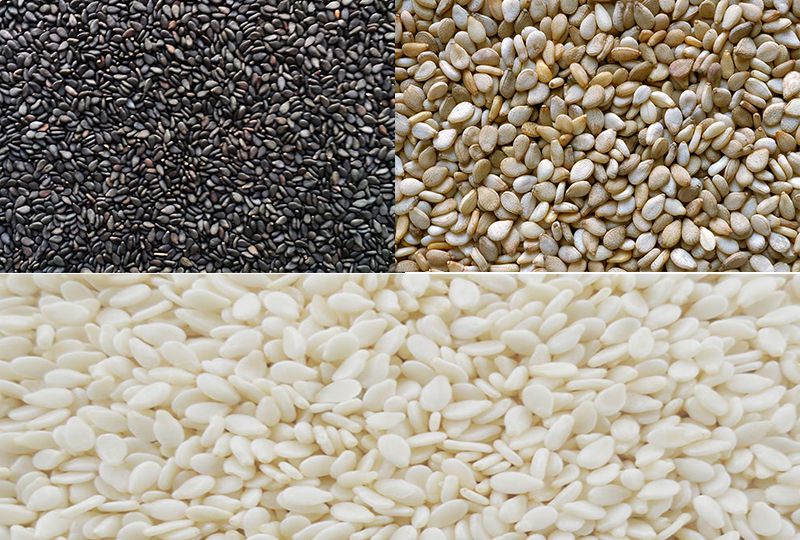
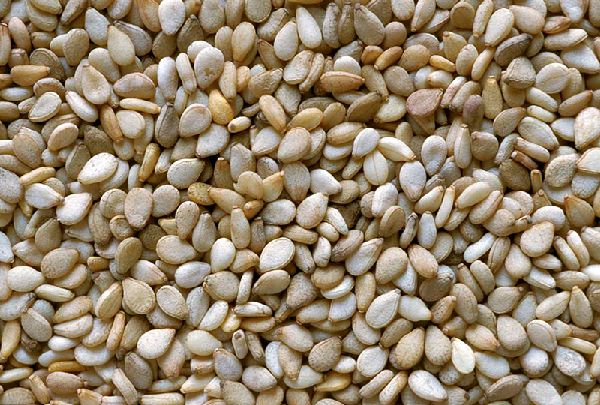
Basic variety
Purity: 99/1 – 99.90% pure (machine cleaned)
Origin: Gujarat, India.
Harvest: October – may
Packing: paper, PP or jute bags of 25/50kg or 50 Lbs. weight
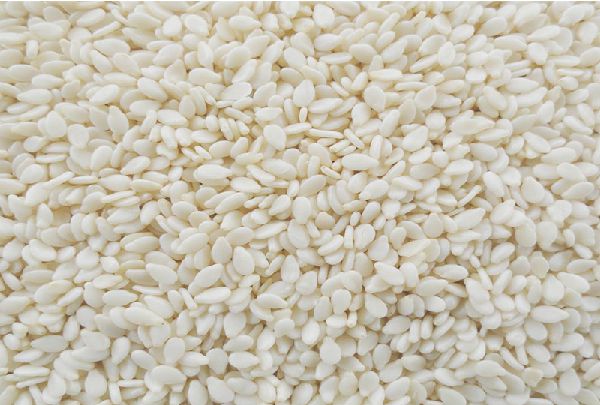
Basic varieties
Sundried – 99.90% min
Sundried – sortex 99.95% min
Origin: Gujarat, India.
Harvest: October – may
Packing: paper, PP or jute bags of 25/50kg or 50 Lbs. weight
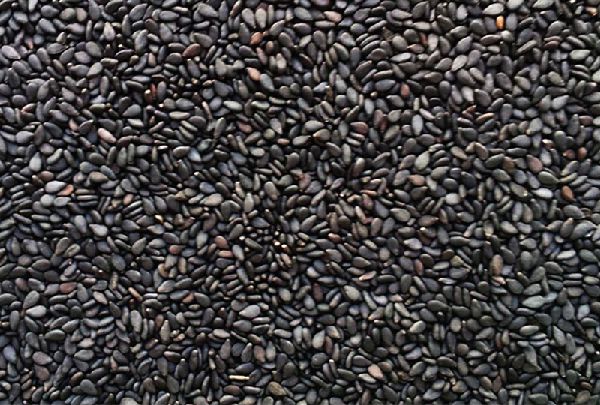
Basic varieties
Premium sortex: (99/1, 99/2)
Origin: Gujarat, India.
Harvest: October – may
Packing: paper, PP or jute bags of 25/50kg or 50 Lbs. weight
Dry, toasted sesame seeds and vegetable oil are mixed into a thin light brown paste, tahini. Tahini is one of the main ingredients in famous middle-eastern dip, hummus.
Toasted seeds sprinkled over sandwiches, biscuits, breads, cakes, salads, stir fries, etc.
The seeds are largely employed in the production of margarine in Europe.
The seeds used in many traditional south-Indian sweet delicacies, often mixed with roasted peanuts, almonds, and Jaggery.
Roasted and crushed seeds often sprinkled over salads, desserts, particularly sundaes and other confectionary preparations.
Gomashio is a Japan's specialty, which uses ground sesame seeds.
For a 100-gram serving, sesame seeds (whether roasted or just dried) are rich in calories (565 kcal), providing an excellent source of essential nutrients as part of the Daily Value (DV, tables).
While containing high amounts of protein, dietary fiber, and total fat (mainly as linoleic acid and oleic acid), sesame seeds are also particularly rich (> 20% DV) in B vitamins and the dietary minerals manganese, magnesium, calcium, iron, and zinc (table).
The flour that remains after oil extraction from sesame seeds is 35-50% protein and contains carbohydrates. This flour, also called sesame meal, is an excellent high-protein feed for poultry and livestock