
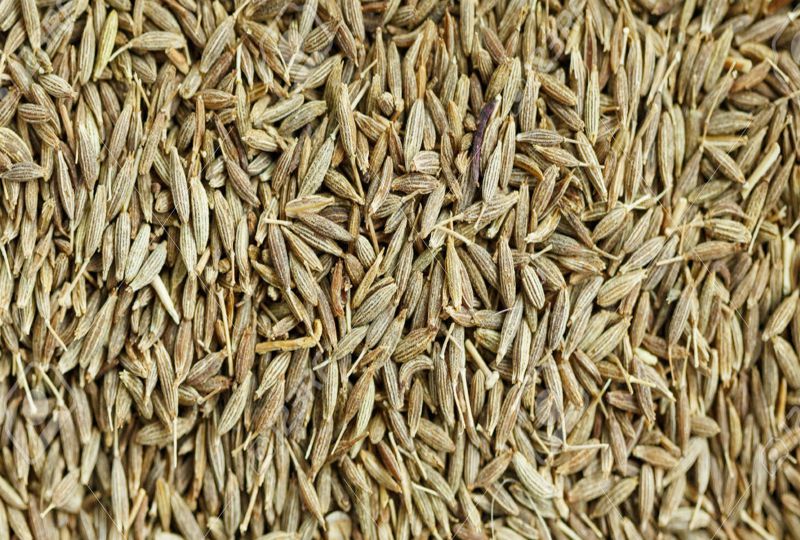
Admixture : 1%
Moisture : 10% max
Volatile oil : Min 2.00ml / 100gm
Flavor : Cumin's distinctive flavour
Packaging : 25kg paper/poly bags. (as per costumer requirement)
In the Ayurveda system, dried cumin seeds are used for medicinal purposes.
These seeds are powdered and used in different form like kashaya (decoction), arishta (fermented decoction), vati (tablet/pills), and processed with ghee (a semifluid clarified butter). It is used internally and sometimes for external applications also.
In southern India, popular drinks such as Kerala and Tamil Nadu are called jira water, which is made by boiling cumin seeds.
It is believed that cumin is beneficial for heart disease, swellings, tastelessness, vomiting, poor digestion and chronic fever.
Results of a study conducted in India showed that cumin can be used as an antioxidant. The anti-oxidative potential is correlated with the phenol content of cumin.
Cumin seed is used as a spice for its distinctive flavour and aroma.
It is globally popular and an essential flavouring in many cuisines, particularly South Asian (where it is called jeera), Northern African, and Latin American cuisines.
Cumin can be found in some cheeses, such as Leyden cheese, and in some traditional bread from France.
It is commonly used in traditional Brazilian cuisine. Cumin can be an ingredient in chili powder ( Mexican-style ), and is found in achiote blends, adobos, sofrito, garam masala, curry powder, and bahaarat. In South Asian cooking, it is often combined with coriander seeds in a powdered mixture called dhana jeera.
Cumin can be used ground or as whole seeds. It helps to add an earthy and warming feeling to food, making it a staple in certain stews and soups, as well as spiced gravies such as chili. It is also used as an ingredient in some pickles and pastries.
Although cumin seeds contain a relatively large percentage of iron, extremely large quantities of cumin would need to be consumed for it to serve as a significant dietary source
According to the USDA, one tablespoon of cumin spice contains.
• 22 kcal (92 kJ) of food energy,
• 1.34 g (0.047 Oz) of fat,
• 2.63 g (0.093 Oz) of carbohydrates,
• 0.6 g (0.021 Oz) of fibre and
• 1.07 g (0.038 Oz) of protein